
Truck Stop Loneliness Is Real - and Modern Dating Can Help
There's a specific kind of quiet that lives between 11 p.m. and 5 a.m. at a Pilot Flying J off I-80. The diesel pumps tick. The radio cuts to static. The phone lights up - and there's nobody on it. If you've ever sat there with cold coffee and a podcast you stopped listening to two hours ago, this article is for you.
By the TruckerConnections editorial team · Published March 19, 2026 · Updated May 28, 2026
The Quiet Hours - What Life of a Truck Driver Actually Sounds Like
Loneliness is the longest passenger in an OTR cab. Industry researchers at Truckstop found that 27.9% of drivers seriously struggle with loneliness on the road, and the average long-haul driver clocks 40 to 60 hours a week in something close to social isolation. That's not poetic exaggeration - it's the structural reality of a job that pays you to be alone in a 60-square-foot box for 2,500 miles at a stretch.
The life of a truck driver is built around movement, but the human cost of that movement gets paid in quiet hours. You miss your nephew's birthday. You see your wife asleep on FaceTime three nights in a row. You eat a microwaved burrito at a fold-down table while a stranger two trucks over runs his APU all night. The world keeps moving freight, and you keep moving with it - and at some point you realize you haven't had a five-minute conversation with another human in 36 hours.
I drove twenty-two years before I admitted out loud that I was lonely. Not sad. Not depressed. Lonely. Once I had a word for it, I could finally do something about it. - Ray, 54, OTR reefer driver, Joplin MO
Loneliness by the Numbers
Three findings from peer-reviewed and industry research that quantify what most drivers already feel.
A separate study published in the Journal of Occupational and Environmental Medicine found that drivers spending 20+ nights a month away from home carry a measurably higher risk of depression and sleep disorders. The CDC has logged trucker suicide rates at up to 15 times the general population.
What Long Isolation Does to the Mind
Isolation isn't just a mood. It's a physiological state. Researchers have compared the long-term health load of chronic loneliness to smoking 15 cigarettes a day - a 30% jump in early-mortality risk. For drivers, that pressure shows up in three specific patterns we hear over and over in user interviews:
1. Rusty social muscles. When you talk to a dispatcher and a fuel-desk cashier as your entire daily social contact for two weeks, the gears of normal conversation get stiff. By the time you sit across from someone on a first date, you're either oversharing because the words finally have somewhere to go, or you're monosyllabic because you've forgotten the rhythm.
2. Quality over quantity, hard. A driver with a 34-hour reset doesn't have patience for games. There's no time for a six-week text-only courtship. The good news: that pressure produces a directness women looking for a serious partner actually appreciate. The bad news: it filters poorly on swipe apps designed for slow burn.
3. Sleep debt feeds the loop. FMCSA's own research shows drivers average just 4.78 hours of sleep per 24-hour period. Sleep deprivation amplifies anxiety, depression, and the feeling that nothing will ever change. The loneliness gets louder the more tired you are.

Researchers studying 303 U.S. and Canadian drivers found that lack of social connection correlated significantly with depressive symptoms (β = 0.38). Put plainly: the less connected you feel out there, the heavier the mental load gets - and waiting it out doesn't work.
How Niche Trucker Dating Platforms Actually Help
The reason general apps fail drivers isn't that the women aren't there. It's that the algorithms aren't built for your clock.
Niche dating platforms now occupy roughly 30% of the U.S. online dating market, and the reach rate among single Americans is projected to grow from 5.2% in 2025 to 5.7% by 2029. The reason is simple: on a general app, your slow reply gets read as low engagement and the algorithm quietly buries you. On a trucker-aware platform, a 36-hour response gap is normal - not a penalty.
That structural difference changes everything downstream:
- Profiles include route corridors, not just zip codes
- Matching algorithms weight geographic flexibility instead of penalizing it
- Voice and video notes replace pressure to text in real time
- Women on the platform came looking for a driver - no schedule explanation required
- Verified profiles cut down on romance scams, which target lonely drivers heavily
If you want the head-to-head numbers, read our review of the best dating apps for CDL drivers and the structural breakdown of why traditional apps fail OTR drivers.
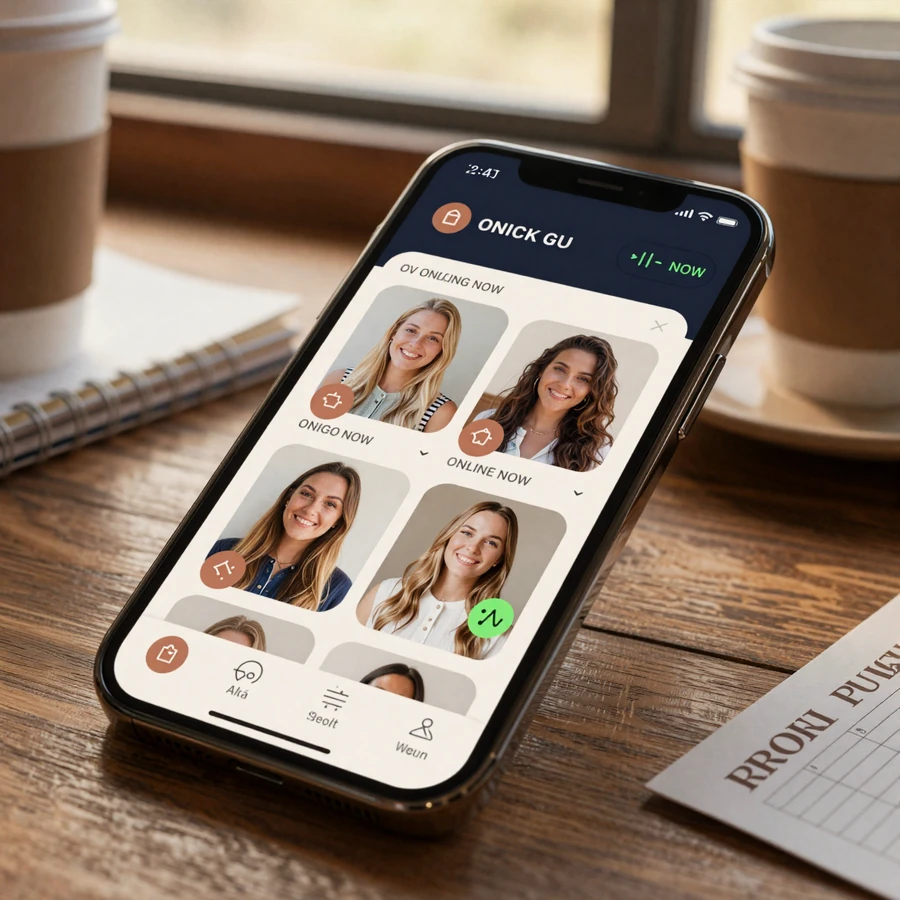
Road Activity Feed - Feeling Connected Mid-Haul
One of the features drivers tell us flips the experience from "dating app" to "social hub" is the Road Activity Feed. It's the simplest idea we've shipped, and the one that gets the most thank-you messages.
What it is
A scrollable feed of short status updates from drivers and women across the platform - a sunset photo from I-90 in Wyoming, a coffee shot at a Petro outside Knoxville, a "made it home, finally" check-in from a regional driver in Ohio. You post when you've got a minute. You read when you've got five. You wave, comment, or message anyone whose update catches you.
Why it works for loneliness specifically:
- It's asynchronous on purpose. Nobody expects you to reply in three minutes. The feed waits for you.
- It normalizes the lifestyle. Seeing fifteen other drivers post about the same I-80 sunset reminds you the road isn't empty - it's just spread out.
- It lowers the stakes. A wave on someone's sunset photo is a fraction of the social effort of opening a cold DM. Conversations grow from there.
- Online-now indicators are honest. Highway-style pulse dots show who's actively on the platform right now - useful at 10 p.m. when most non-driver apps are dead.
It's the closest digital equivalent we've found to the way drivers used to use CB radio in the '80s: ambient presence, low-pressure conversation, the knowledge that other people on your wavelength are out there in the dark with you.
Practical Ways to Beat the Quiet - Beyond Dating
Dating isn't a substitute for the rest of your mental health work. These five habits are the ones long-time drivers credit with keeping their head straight on long stretches.
-
Move your body, even ten minutes
A walk around the truck stop perimeter, resistance bands in the sleeper, or twenty pushups before your pre-trip. Drivers who exercise even briefly on duty days report lower depression scores in NIOSH data. The goal isn't a six-pack - it's blood flow and dopamine.
-
Eat one real meal a day
Fruit, nuts, yogurt, hard-boiled eggs, a salad off the hot bar. Not every meal, just one. The mood lift from a 2 p.m. apple beats the 4 p.m. crash from a fountain Mountain Dew. It's a small lever that moves a big number.
-
Protect the eight hours
FMCSA's hours-of-service rules give you the window - use it. Phone on do-not-disturb after 9 p.m., blackout curtains in the sleeper, a fan or white-noise app. Drivers averaging 6+ hours of sleep report half the loneliness scores of those at 4-5.
-
Drink water, not just coffee
Dehydration shows up as anxiety, irritability, and a low mood you'll mistake for loneliness. A gallon jug in the cab, refilled at every fuel stop, is one of the simplest mental-health interventions in trucking.
-
Talk to someone real, weekly
Family, an old friend, a chaplain at a truck stop ministry, or a licensed therapist via telehealth. The VA's Vet Centers, the Trucker Buddy chaplaincy, and BetterHelp all work from a parked cab. One real conversation a week is the floor - not the goal.
More from the TruckerConnections Blog

How to Date a Truck Driver
OTR schedules, communication tactics, and home-time planning - honest advice for the women who love drivers.
Read Guide
Real Trucker Love Stories
Drivers who found long-term partners through TruckerConnections - full names, real routes, real outcomes.
Read Stories
Why Truckers Struggle with Traditional Apps
How Tinder and Match algorithms quietly bury driver profiles - and the structural fixes niche platforms make.
Read Analysis